Research from the International Health, Racquet and Sportsclub Association shows that structured group classes improve attendance by up to 35 percent compared to unscheduled workouts. People simply stay more consistent when the environment feels organized and easy to follow.
Many instructors focus on exercises and routines but overlook the technical side of class delivery. Screen placement, audio quality, lighting conditions, and timing all shape how comfortable and engaged participants feel. A thoughtful setup reduces distractions and helps people stay focused on movement and breathing instead of technical frustrations.
This wellness class setup checklist covers the essential elements that support a smooth and professional session while remaining practical for everyday use.
Planning the Physical Layout
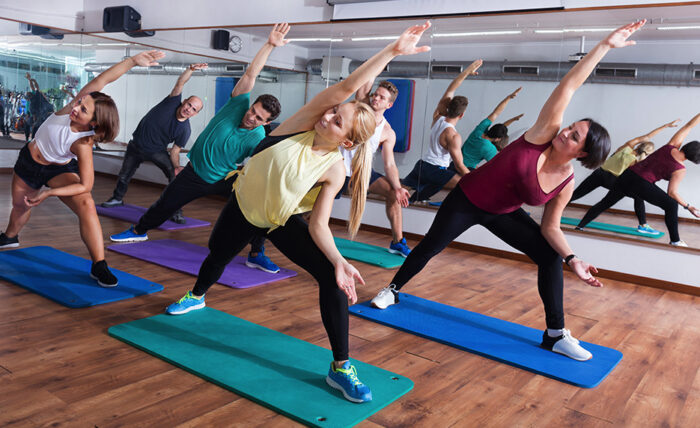
A good layout sets the foundation for a successful session. Participants should be able to see instructions clearly and move safely without feeling crowded. Even small spaces can work well if organized with intention.
Room design should support visibility and natural movement. Consider these practical layout factors:
- Position the instructor where everyone can maintain a direct line of sight without turning excessively.
- Leave enough space between participants to allow stretching and floor exercises comfortably.
- Avoid placing participants directly in front of doors or walkways where distractions occur.
- Keep equipment storage organized and easy to access without interrupting the flow.
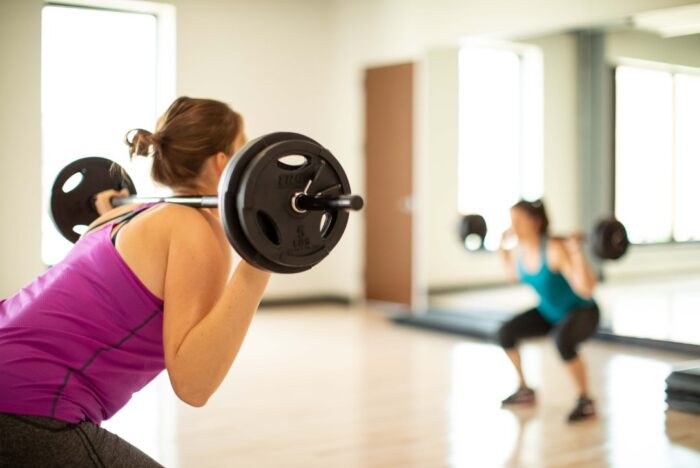
Mirrors can help participants correct posture, but too many reflections sometimes create confusion. One well placed mirror often works better than covering entire walls.
Clear pathways around the room also help late arrivals settle in quietly without disrupting others.
Screen Placement for Clear Instruction
Screens help guide participants through routines, especially in classes that combine live instruction with visual support. Placement determines whether participants stay engaged or struggle to follow along.
Modern studios increasingly rely on digital guidance, and many instructors use Workout Screens to display routines, timers, and demonstrations. Proper positioning ensures that every participant benefits from the visual support without needing to shift constantly.
Several placement principles consistently improve visibility:
- Mount screens at eye level for standing participants so neck strain does not become an issue.
- Keep screens centered so participants on both sides maintain equal visibility.
- Maintain moderate viewing distance to prevent squinting or overly large visuals.
- Avoid glare from windows or overhead lighting.
Screen placement should support natural movement rather than forcing participants to face one direction the entire session. Angled positioning sometimes works better than a flat front facing setup.
Ideal Viewing Distance and Height
Proper measurements help avoid guesswork. The following table offers general guidelines that work well for most wellness class environments.
[su_table responsive=”yes”]
|
Screen Size |
Recommended Distance |
Suggested Height |
| 32 to 43 inch | 2 to 3 meters | Slightly above eye level |
| 50 to 65 inch | 3 to 5 meters | Eye level |
| 70 inch and larger | 5 meters or more | Slightly below eye level |
[/su_table]
Height adjustments depend on whether the class includes floor work. A slightly downward angle improves visibility during stretching and relaxation exercises.
Audio Setup That Supports Instruction
Participants can forgive many small issues, but unclear sound quickly leads to frustration. Audio should remain consistent across the entire room.
Wireless microphones usually provide the most flexibility. Instructors can move naturally without raising their voice.
The following elements improve clarity:
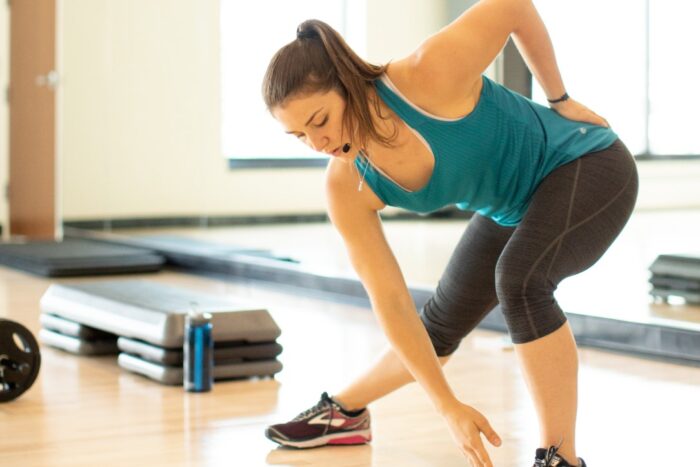
- Use a headset microphone when teaching movement intensive sessions.
- Test sound levels from multiple points in the room before class begins.
- Keep speaker placement balanced rather than concentrated in one corner.
- Reduce echo by adding mats or soft materials when possible.
Background music should support instruction rather than overpower it. Many instructors underestimate how difficult it becomes to hear cues when music volume climbs too high.
Clear voice instructions reduce participant error and improve safety during guided movement sessions.
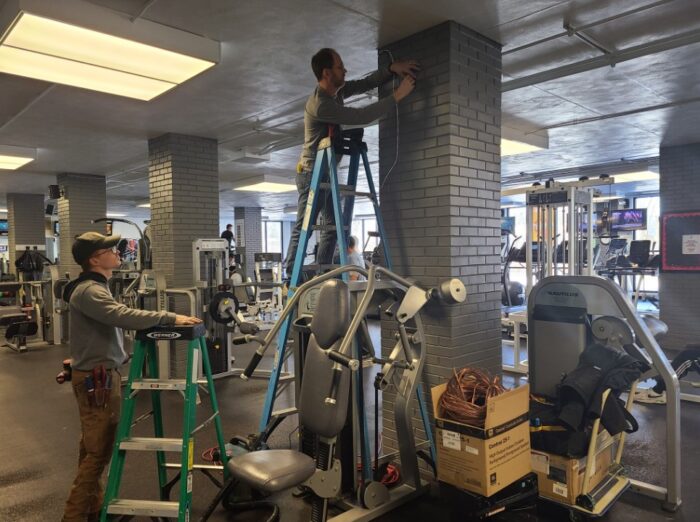
Reliable audio equipment often lasts for years when handled carefully. Simple maintenance checks prevent last minute technical problems.
Lighting That Supports Comfort and Focus
Lighting shapes the mood of a wellness class more than most people realize. Too much brightness creates tension, while poor lighting makes it difficult to follow movements.
Natural light usually works best when available. Windows positioned along the sides of the room often provide balanced illumination.
Artificial lighting should support visibility without harsh contrast. The following adjustments often improve comfort:
- Use indirect lighting to reduce glare on screens and mirrors.
- Choose neutral color temperature around 4000 Kelvin for balanced visibility.
- Dim lighting slightly during relaxation or meditation segments.
- Avoid strong overhead spots that create deep shadows.
Did You Know?
Lighting studies from Cornell University found that moderate brightness reduces eye strain and improves attention during guided activities.
Soft lighting works especially well during breathing exercises and cool down periods. Adjustable lighting systems make transitions easier throughout the session.
Timing and Class Flow
Timing determines whether a wellness class feels rushed or comfortable. Participants respond well to predictable structure because it reduces uncertainty.
Most successful classes follow a consistent sequence. Instructors who prepare timing in advance often maintain better pacing and avoid running overtime.
Typical timing structure includes:
- Opening check in and preparation lasting about five minutes.
- Warm up period of ten to fifteen minutes.
- Main activity block lasting twenty to thirty minutes.
- Cool down and stretching lasting ten minutes.
- Closing discussion or instructions lasting five minutes.
Transitions should feel smooth rather than abrupt. Participants appreciate brief explanations before changes in activity.
Small timing buffers allow flexibility when questions arise or exercises take longer than expected.
Creating a Comfortable Participant Experience
Technical setup supports comfort, but small details also shape the experience. Participants return to classes where they feel welcome and confident.
Temperature control matters more than many instructors expect. Slightly cool rooms usually support physical activity better than warm environments.
Other comfort elements include:
- Providing clear entry instructions for new participants.
- Keeping equipment clean and organized.
- Offering visible clocks so participants can track progress.
- Maintaining consistent class start times.
Consistency builds trust. Participants who know what to expect feel more relaxed and ready to engage.
Professional setup signals that the class is well managed and worth attending regularly.